
Mastering Cell Division Checkpoints: Essential Strategies for Teaching Success
Understanding how to teach cell division checkpoints can make a big difference in helping students master cell biology. Guiding students through the key steps and rules of cell division checkpoints helps them connect biology to real-world health and science. This article covers simple, effective strategies for breaking down complex checkpoint systems for easier learning.
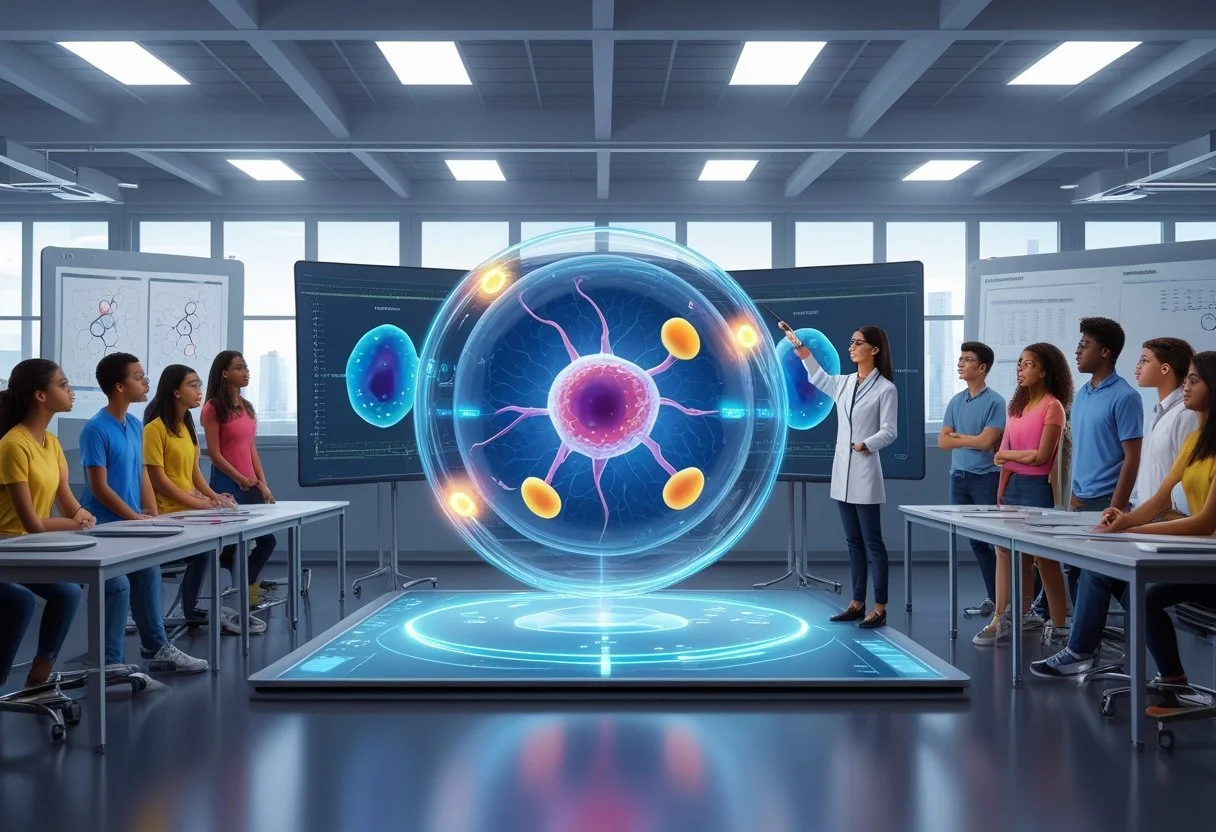
Many teachers find that using hands-on models and clear visuals helps students see how checkpoints keep cells healthy. Knowing these processes also shows why mistakes in cell division lead to diseases like cancer.
Key Takeaways
Teaching cell division checkpoints connects biology to human health.
Clear models and visuals make checkpoint concepts easier to learn.
Mastering checkpoints supports understanding in broader science topics.
Fundamentals of Cell Division and the Cell Cycle
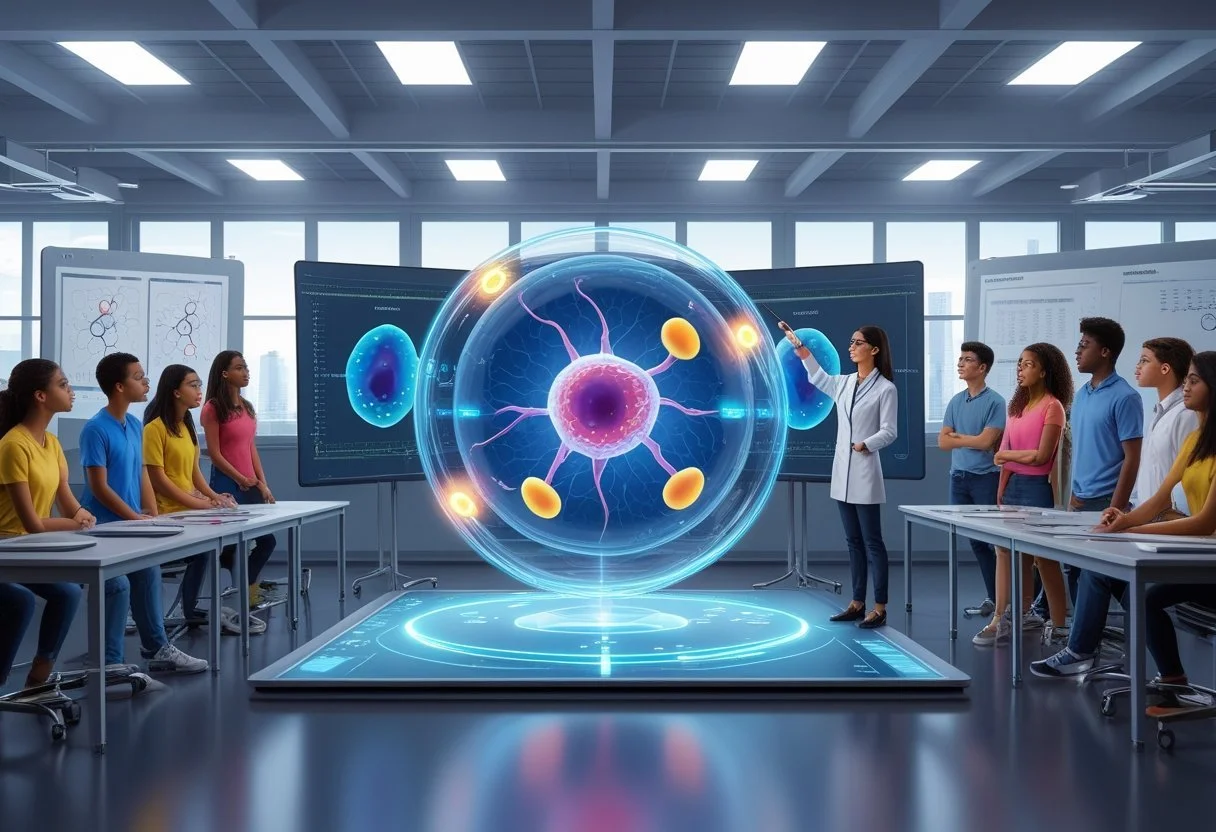
Cell division is how new cells are made, and it is tightly controlled through a series of checkpoints. Understanding the sequence of the cell cycle, its regulators, and how progression is managed is key for teaching these concepts.
Cell Cycle Stages
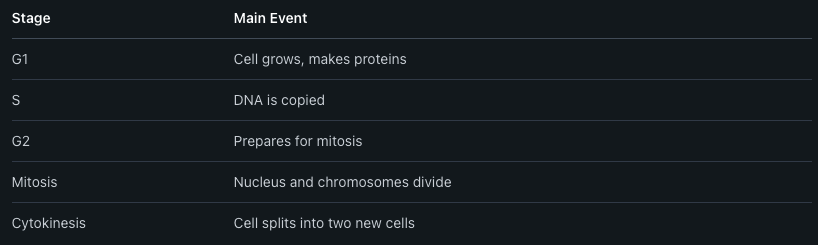
The cell cycle in eukaryotes is made up of several stages that allow cells to grow, duplicate DNA, and divide. The main stages are Interphase and the M phase. Interphase includes G1 (cell growth), S (DNA replication), and G2 (preparation for division).
During the M phase, the cell undergoes mitosis or meiosis and cytokinesis. Mitosis is used for growth and repair, while meiosis forms gametes for reproduction. Each stage is marked by specific actions, such as chromosome alignment in metaphase and separation in anaphase.
A simplified table of the stages:
Key Regulators and Checkpoints
Cell cycle progression is controlled by proteins. The most important regulators are cyclins and cyclin-dependent kinases (CDKs). These proteins work together to move the cell from one stage to the next.
There are three main checkpoints: G1 checkpoint, G2 checkpoint, and Metaphase (M) checkpoint. Each checkpoint checks for errors. If problems are detected, the cell will pause the cycle to fix the error. For example, the G1 checkpoint checks for DNA damage, while the metaphase checkpoint ensures all chromosomes line up correctly.
Checkpoints help prevent the division of cells with damaged genetic material. This is important to stop the spread of mutations and keep cells healthy.
Mechanisms of Cell Cycle Progression
Cell cycle progression involves a series of steps guided by complex mechanisms. Cyclin-CDK complexes trigger entry into new phases when they reach certain levels. For example, rising cyclin levels push the cell past the G1 checkpoint.
Chromosomes play a key role during mitosis and meiosis. They duplicate to form sister chromatids in the S phase. These chromatids are then separated and pulled apart during anaphase, ensuring each new cell gets the right genetic material.
Errors in these mechanisms can lead to problems like cancer. Cells use repair pathways and the checkpoint system to minimize mistakes. By understanding these mechanisms, teachers can show students how cell division maintains the health and stability of all living things.
Understanding Cell Division Checkpoints
Cell division checkpoints help cells move safely through key stages of the cell cycle. Their signal systems and control proteins watch for errors and prevent cell damage.
Functions and Types of Checkpoints
Checkpoints are control points that pause the cell cycle if problems are found. They act as quality inspectors to make sure each phase is completed correctly before the next begins.
There are three main checkpoints:
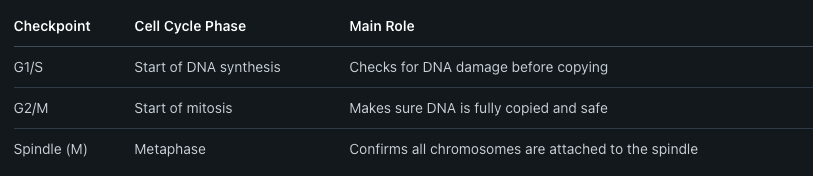
The G1/S checkpoint stops the cycle if DNA damage is detected. The G2/M checkpoint stops the cell from entering mitosis if DNA was not copied right. The spindle checkpoint checks chromosome alignment to prevent errors in chromosome number.
Checkpoint Regulation and Signal Transduction
Checkpoints work by using signal transduction. This means cells use proteins to pass messages about cell status.
Cyclins and cyclin-dependent kinases (Cdks) are at the center of this control. They form complexes that push the cell cycle forward. If a checkpoint is triggered, feedback loops slow or stop these complexes.
Tumor suppressor proteins like p53 help pause the cycle if a problem is found. They can even signal the cell to self-destruct if damage cannot be fixed. This network of signals helps make sure only healthy cells divide.
Quality Control and Genome Integrity
Quality control at checkpoints keeps the genome safe. Faulty DNA or missing chromosomes can cause problems like cancer.
When errors are found, checkpoint proteins block the cycle. This gives the cell time to repair DNA or fix attachments. If the cell cannot make repairs, it may enter apoptosis (cell death).
Genome integrity means that the full set of genetic data stays correct after each division. This careful oversight limits mutations and protects the organism’s health. Quality control is a central job of checkpoints in all dividing cells.
Molecular Mechanisms of Checkpoint Control
Checkpoint control in cells keeps the genetic material safe and prevents harmful mutations. Several specific proteins and pathways detect problems during DNA replication and halt the cell cycle to allow for repair.
DNA Damage Response Pathways
Cells rely on DNA damage response (DDR) pathways to detect and fix problems in their DNA. When DNA damage is found, sensors such as ATM and ATR proteins are activated. These proteins send signals to downstream enzymes, like checkpoint kinases (CHK1 and CHK2), triggering a cascade of events.
These events can pause DNA replication so that errors can be fixed before cell division proceeds. If the damage is too serious, the pathway can signal the cell to self-destruct (apoptosis) to prevent the spread of mutations.
Cells have multiple types of repair mechanisms, such as base excision repair and homologous recombination. These ensure that the cell maintains the correct sequence of DNA before proceeding to the next phase of the cycle. Failure in DDR pathways can lead to unchecked cell growth and cancer.
Role of p53 and Cell Cycle Arrest
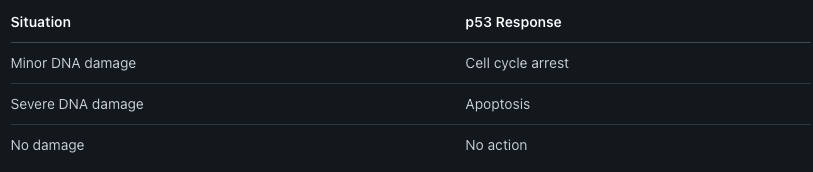
The p53 protein is a key regulator of the cell cycle and plays a central role at checkpoints, especially after DNA damage. When activated, p53 can stop the cycle at the G1/S or G2/M phases. This halt allows time for the cell to repair damaged DNA.
p53 works by activating or repressing the expression of genes linked to cell cycle control. If repair is not possible, p53 can start apoptosis to remove damaged cells. Mutations in the TP53 gene are common in cancer, disabling this important safety mechanism.
Below is a simple overview of p53's actions:
Involvement of Gene Expression and Epigenetics
Gene expression changes are vital for the checkpoint response. When damage is detected, cells adjust which genes are turned on or off by using transcription factors like p53. This ensures that repair proteins are made when needed.
Epigenetic mechanisms like DNA methylation and histone modification influence gene expression during checkpoints. DNA methylation can silence genes, including tumor suppressors, making cells less responsive to damage. Abnormal methylation is often found in cancer cells.
RNA interference (RNAi) is another layer of control. Small RNA molecules can block or degrade messenger RNA, reducing the production of specific proteins when the cell needs to halt division. This helps fine-tune the checkpoint response and maintain genome stability.
Checkpoints in Human Health and Disease
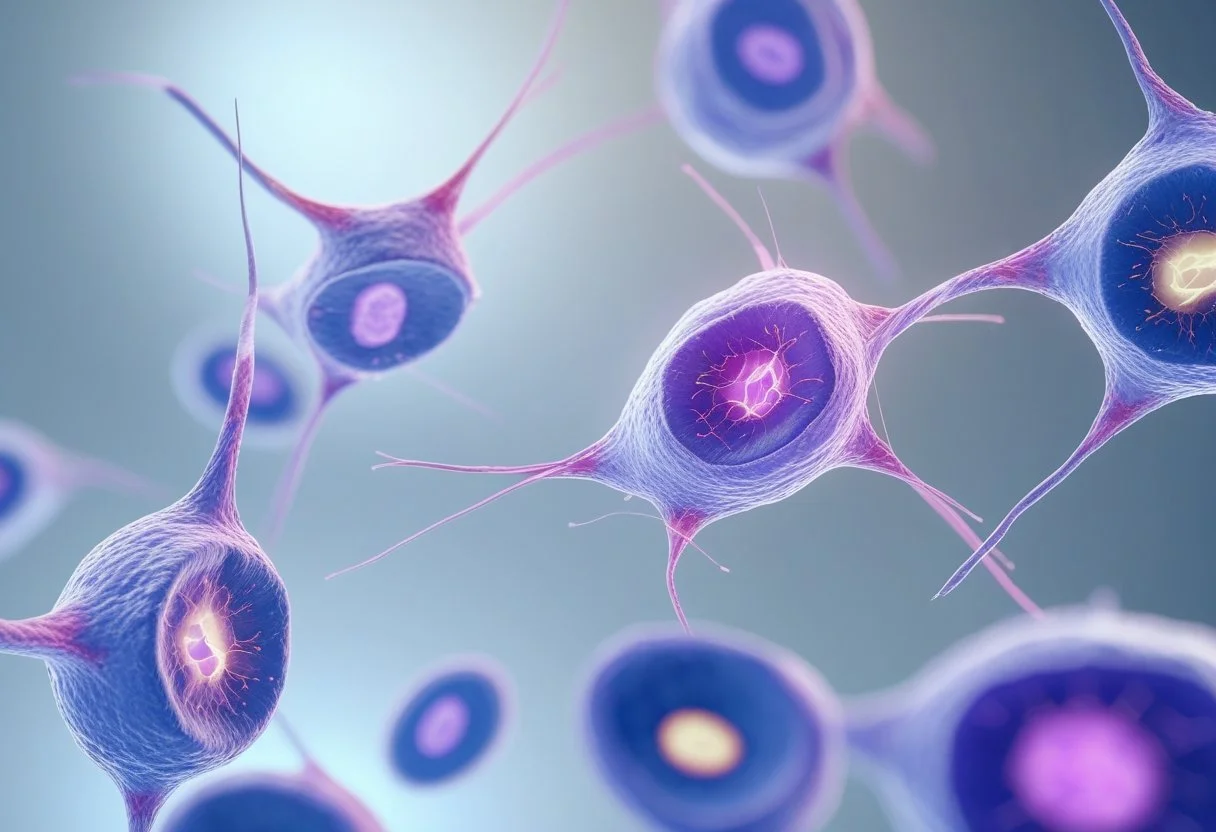
Cell division checkpoints play a major role in keeping cells healthy and balanced. Losing control of these checkpoints can lead to serious problems, like cancer or genetic disorders, and can also affect how the immune system works against diseases.
Cancer and Unregulated Cell Division
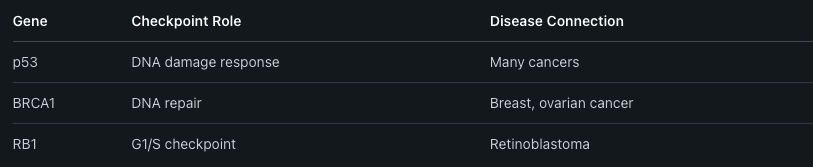
Cancer begins when cells skip or ignore cell division checkpoints. Mutations in genes like p53 and BRCA1 can stop the cell from repairing DNA or halting division, letting errors build up. This leads to tumors as cells multiply without normal controls.
In cancers such as pancreatic cancer, the failure of cell cycle checkpoints is a common factor. Metastatic cancer happens when faulty cells spread to other tissues.
Cancer research aims to restore these checkpoints. Targeted drugs and new therapies, such as immunotherapy, help the body target cancer cells by using the patient’s own T cells. The table below shows key checkpoint genes and their roles:
Genetic Disorders and Cell Cycle Defects
Problems in cell division checkpoints can also cause genetic disorders. Aneuploidy (the wrong number of chromosomes) results when chromosome separation does not get checked. This leads to diseases such as Down syndrome, which is caused by an extra copy of chromosome 21.
Rare diseases, like Bloom syndrome or Fanconi anemia, also happen when checkpoint genes do not work. This makes cells more likely to get mutations and can lead to poor growth or higher cancer risk. Children with these disorders may show early aging or immune problems due to faulty cell controls.
Genetic testing can sometimes find these defects early, giving families more options for treatment or support.
Immune System and Cell Cycle Regulation
The immune system uses cell cycle checkpoints to keep its cells healthy and ready to fight off diseases. When T cells are activated by infection, they must divide quickly but still need checkpoints to avoid harmful mutations.
Problems with checkpoint control can make the immune system too weak, as seen in some immunodeficiencies, or too active, causing autoimmune diseases. Immunotherapy for cancer works by helping T cells attack tumor cells, often by blocking proteins that cancer cells use to hide.
Keeping cell division in check helps the body maintain homeostasis and prevents both overactive and underactive immune responses. Proper checkpoint function helps the immune system spot and destroy cancer, fight infections, and protect against genetic diseases.
Teaching Strategies for Mastering Cell Division Checkpoints
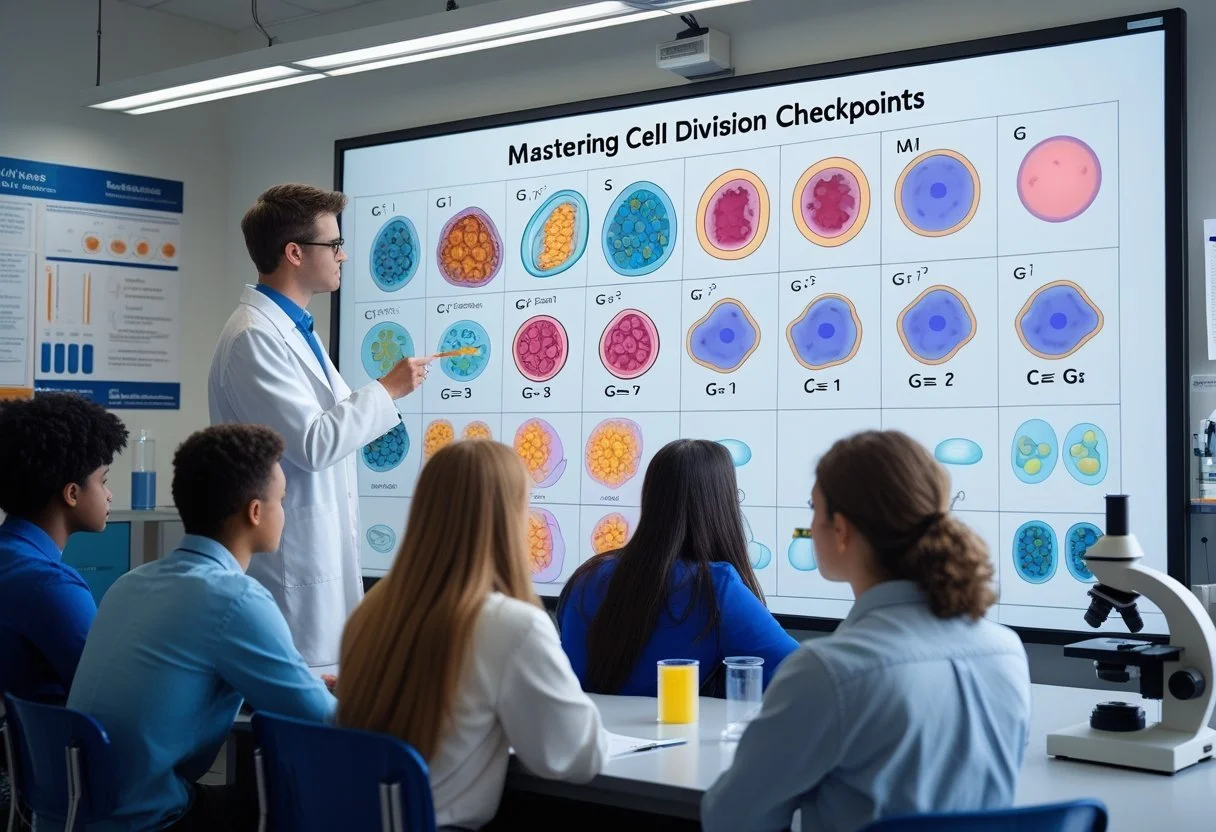
Effective teaching of cell division checkpoints benefits from strategies that involve students directly, use visual tools, and measure understanding through specific methods. Focusing on active participation, clear demonstrations, and validation helps students gain practical knowledge and skills.
Active Learning Approaches
Active learning is critical in teaching cell division checkpoints. Educators can use methods like think-pair-share, group discussions, and case studies. These activities help students apply the scientific method when analyzing how checkpoints maintain accuracy during cell division.
Role-playing activities let students act as different molecules or parts of a cell. This approach clarifies how errors at each checkpoint can affect cell function. Biologists often use similar problem-solving in real research, making this method relatable.
Short quizzes and concept maps are helpful tools to check for understanding. These activities also help students compare ideas and reinforce how each checkpoint acts as a control step in the cell cycle.
Interactive Simulations and Visualizations
Digital simulations allow students to observe and manipulate cell division in real time. Visualizations, including animations, make abstract processes more concrete and easier to follow. For example, interactive models can show how checkpoints interact with DNA synthesis and repair.
Below is a comparison table of simulation tools and their features:
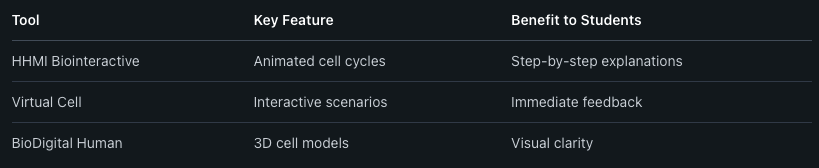
Using these tools, teachers can demonstrate how biologists use technology in biological research. Students gain practical experience with data, similar to what is used in professional lab settings.
Assessment and Validation Techniques
Assessment methods such as lab exercises and flow cytometry data analysis help validate student learning. Teachers can provide flow cytometry plots and ask students to identify stages of the cell cycle and pinpoint errors in progression. This practical skill parallels techniques used in biological research.
Written reports and presentations allow students to summarize findings and reflect on the accuracy of checkpoint regulation. Group assessments promote teamwork and make students critically evaluate their own and peers’ understanding.
By focusing on clear, specific validation techniques, educators ensure mastery of content and readiness for further study in cell biology and research.
Applications in Biomedical Research and Therapeutics
Cell division checkpoints play a major role in many areas of modern science and medicine. By studying how these checkpoints work, researchers can develop new drugs, create better therapies, and use advanced sequencing tools to learn more about diseases.
Drug Discovery and Screening
Understanding cell division checkpoints helps scientists design drugs that stop cancer cells from dividing. Many anti-cancer therapies target checkpoint proteins such as p53, ATM, and Chk1. Blocking faulty checkpoints can trigger cell death in tumor cells, stopping the spread of cancer.
Key processes in drug screening:
Identifying compounds that affect checkpoint pathways
Testing candidate drugs on cancer models
Measuring effects on cell growth, division, and survival
Researchers use high-throughput drug screening to test thousands of potential drugs quickly. Automated systems help spot which drugs affect checkpoint controls the most. These findings can lead to safer and more effective therapies.
Regenerative Medicine and Therapeutic Approaches
Checkpoint research supports advancements in regenerative medicine. Control over cell division is important when growing new tissues or organs. By manipulating checkpoints, scientists can improve the growth and safety of stem cells used in therapy.
Checkpoint control in regenerative medicine:
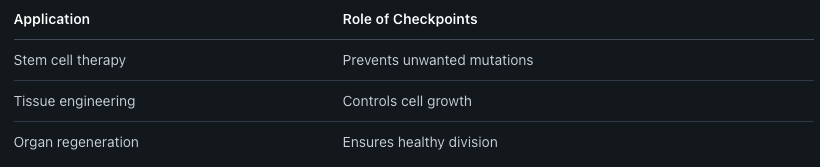
New therapeutic methods, like gene editing and cell-based therapy, depend on careful management of cell cycle checkpoints. This reduces risks such as tumor growth and improves patient outcomes.
High-Throughput Sequencing in Checkpoint Studies
High-throughput sequencing tools have changed how scientists study cell division checkpoints. By analyzing the genome and transcriptome, researchers can spot mutations and gene activity that affect checkpoint response.
Sequencing reveals patterns of checkpoint failure in different diseases. For example, identifying BRCA1 or p53 mutations in cancer can guide treatment choices.
These technologies let researchers collect and compare data from many samples at once. This approach improves understanding of cell cycle defects and their roles in disease, leading to advances in biomedical research, biotechnology, and therapeutics.
Connections to Broader Biological Systems
Cell division checkpoints interact with other cell systems that control life processes like development, healing, and immunity. These connections help keep tissues healthy and balanced.
Cellular Communication and Ligand Interactions
Cells communicate through signals called ligands. Ligands include proteins, ions, or small molecules that bind to receptors on cell surfaces. This binding starts a chain reaction inside the cell to guide its actions.
For example, when a tissue is injured, macrophages release ligands to help signal nearby cells to divide and repair the damage. Proper checkpoint control stops cells from dividing at the wrong time or in the wrong place.
Key roles of ligand interactions:
Start cell division when needed
Pause or stop division if conditions are not right
Coordinate responses between different cell types, such as endothelial cells guiding new blood vessel growth
A breakdown in cellular communication can cause uncontrolled cell growth or poor healing.
Receptors, Hormones, and Signal Relay
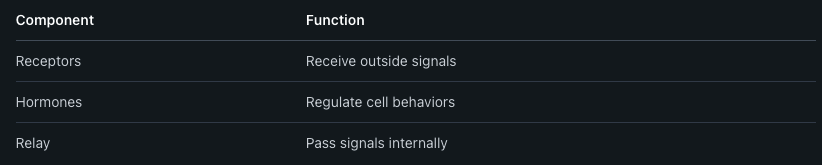
Receptors on the cell surface detect signals from hormones and other molecules. These signals move through the cell by a relay system, often involving proteins that pass the message from one to another.
Hormones like growth hormone or estrogen play a major role. When bound to their receptor, they can trigger or block phases in the cell cycle. For example, certain hormones support bone growth by signaling cells to divide and lay down bone.
This system prevents errors by using checkpoints to check DNA or cell health before moving forward. Problems with receptors or signal relay can stop normal development and lead to disease.
Main functions:
Roles in Growth, Differentiation, and Bone Density
Checkpoints regulate when a cell divides, matures, or starts to specialize (differentiate). They are especially important in tissues that need to renew often, like skin or bone.
In bone, cells called osteoblasts must divide and mature correctly for strong bone structure. Hormones adjust this process and help control bone density by telling cells when to divide or turn into more specialized forms.
Errors in checkpoint control can affect growth rates or cause weak bones. Macrophages and endothelial cells also play supporting roles by sending signals that adjust how other cells grow, repair, or change into new types. This teamwork helps keep organs and bones healthy.
Frequently Asked Questions
These questions address how cell division checkpoints work, how they help maintain genetic stability, possible problems when checkpoints fail, and classroom strategies for teaching this topic. Key similarities and differences between major checkpoints are also covered.
What are the primary functions of the G1, S, and G2 checkpoints in cell division?
The G1 checkpoint ensures the cell is ready to start DNA replication.
The S checkpoint checks for DNA errors during the replication process.
The G2 checkpoint looks for DNA damage after replication and makes sure all DNA was copied.
How do cell cycle checkpoints contribute to the integrity of genetic material during division?
Checkpoints stop the cell from dividing if there are mistakes or damage in the DNA.
They give the cell time to fix errors so that harmful mutations are not passed to new cells.
What mechanisms do cells use to regulate progression through the key checkpoints of the cell cycle?
Cells use proteins called cyclins and enzymes called CDKs (cyclin-dependent kinases) to control checkpoint movement.
Other proteins, like p53, can pause the cell cycle when problems are found.
If damage cannot be fixed, cells may start self-destruct processes.
In what ways can a cell cycle checkpoint failure lead to disease, such as cancer?
If checkpoints don't work, cells may keep dividing even when DNA is damaged.
This unchecked growth can cause tumor formation and cancer development.
How can teachers effectively illustrate the concept of the cell cycle checkpoints to students?
Teachers can use diagrams or animations to show checkpoint locations and actions.
Simple classroom activities or games can model how checkpoints block or allow cell cycle steps.
Comparing checkpoints to a security system can help students understand the role of these controls.
What are the commonalities and differences between the G1 checkpoint and the metaphase/anaphase checkpoints?
Both checkpoints serve as control points that prevent mistakes during cell division.
The G1 checkpoint controls entry into DNA replication, while the metaphase/anaphase checkpoint makes sure chromosomes are attached properly before they separate.
Their signals and proteins involved are different, but both protect against errors.


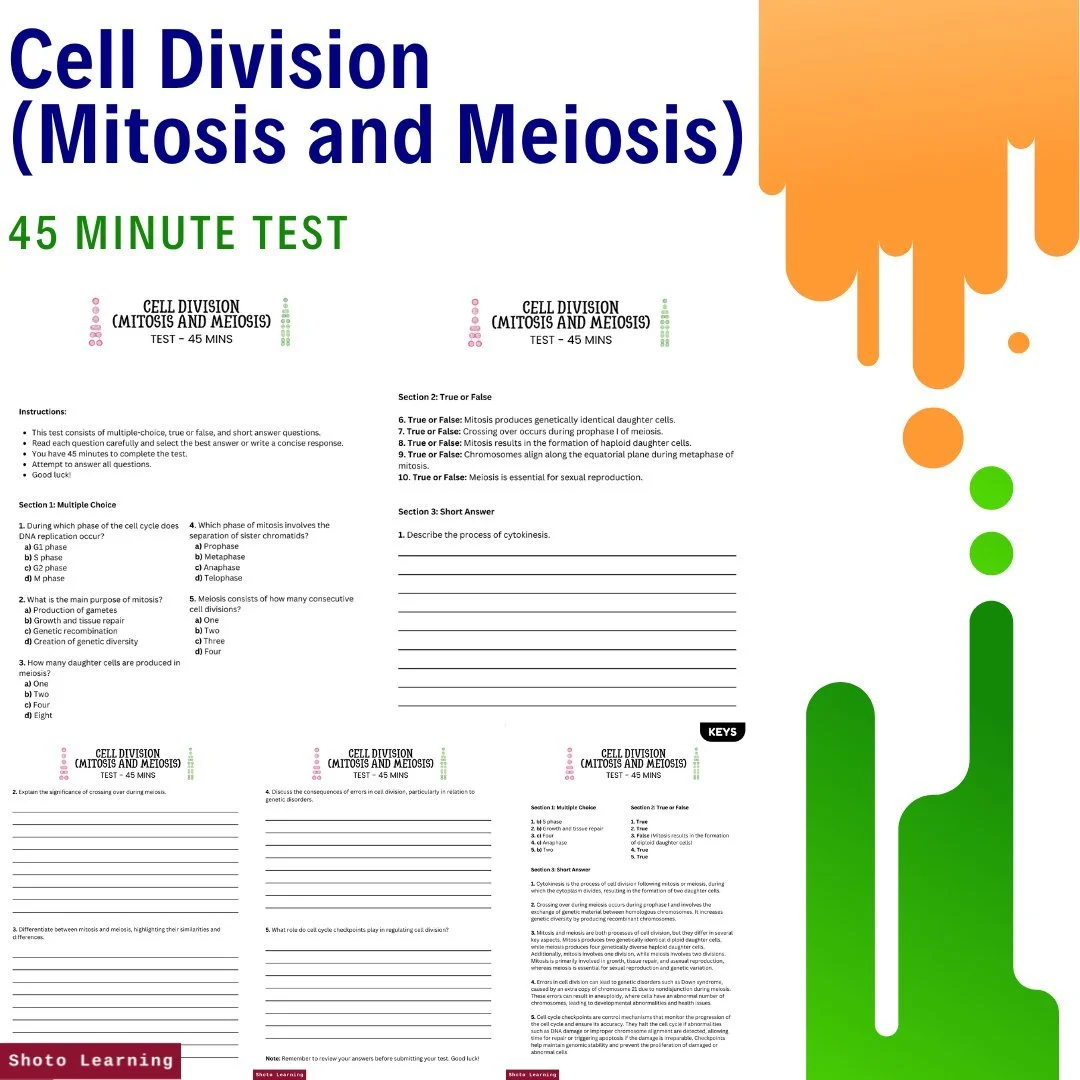


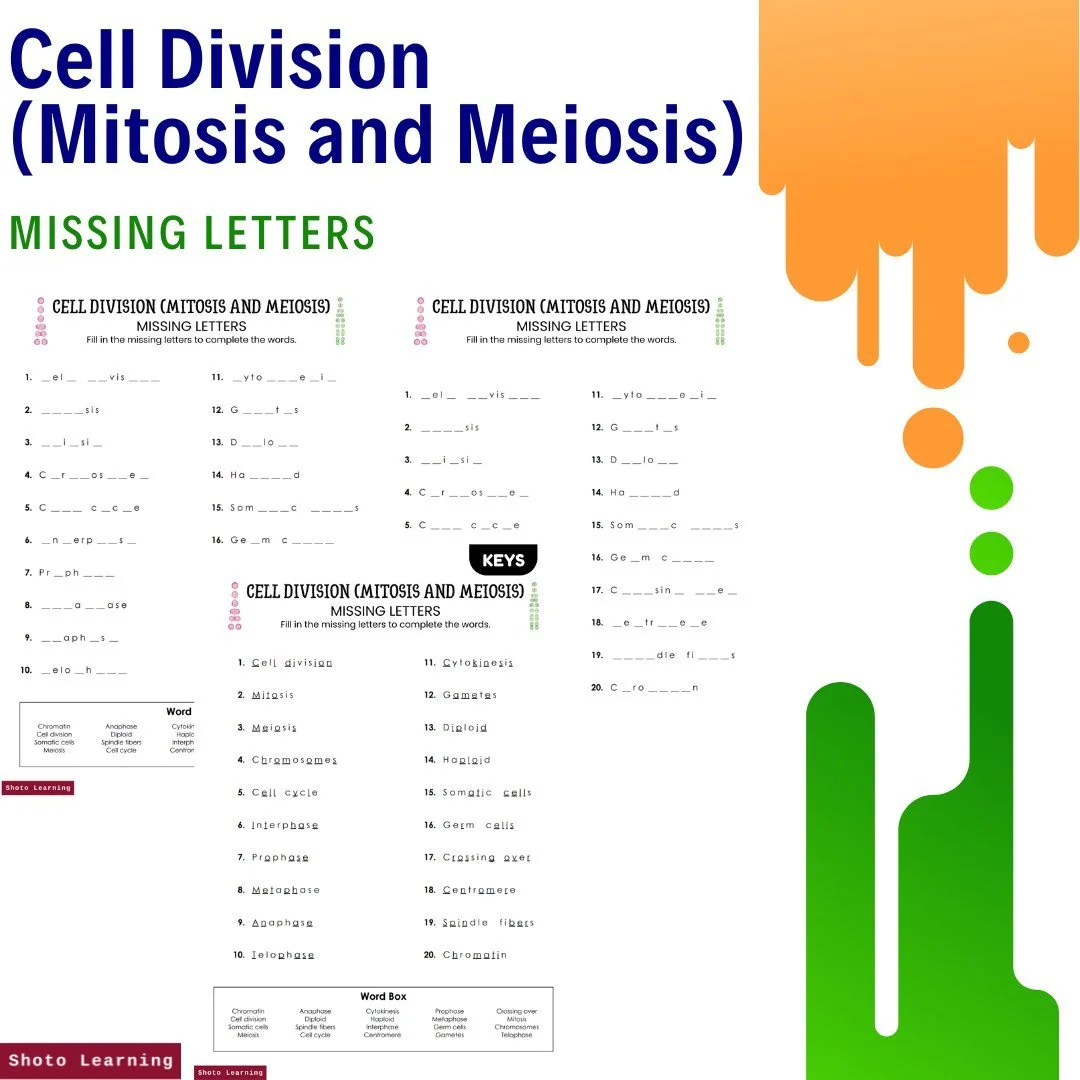


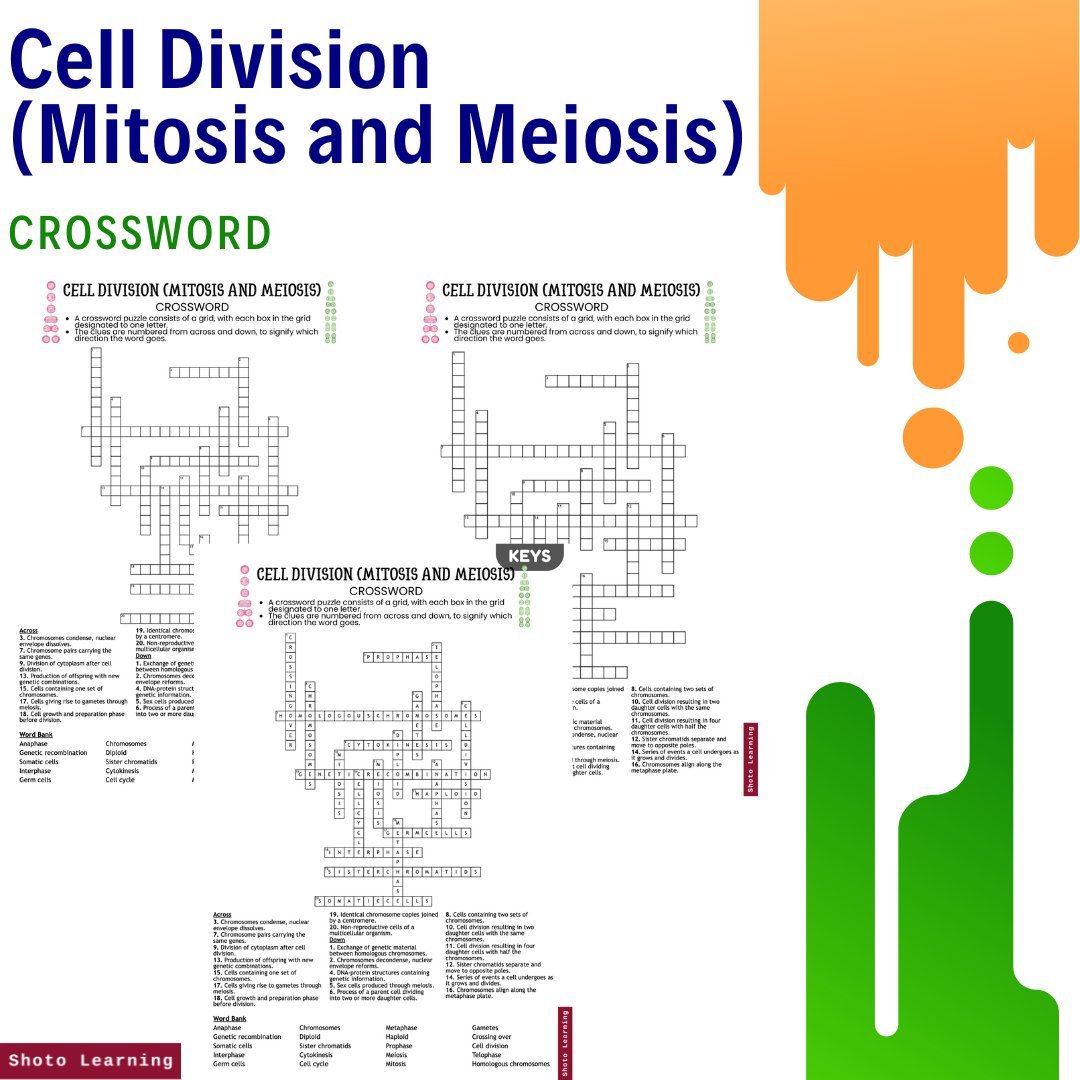


Unlock the mysteries of cellular reproduction and master the concepts of mitosis and meiosis with our Cell Division Mastery Bundle. This comprehensive collection of educational resources provides a wealth of engaging materials to enhance learning and understanding of cell division.
Key Features:
Assignments: Embark on 10 stimulating assignments covering diverse topics, encouraging critical thinking and practical application of knowledge.
Bingo - 30 Bingo Cards: Make learning fun with our interactive bingo game, featuring 30 cards filled with key terms and concepts related to cell division.
Crossword: Challenge your knowledge with a crossword puzzle that tests your understanding of mitosis and meiosis terminology.
Cryptogram: Decode secret messages related to cell division with our cryptogram activity, adding an element of mystery to your learning experience.
Debate: Engage in lively discussions and debates on cell division topics, fostering critical thinking and analytical skills.
Experiments: Explore hands-on experiments illustrating fundamental principles across various disciplines, fostering deeper understanding and engagement.
Fill in the Blank: Reinforce your understanding of cell division concepts with fill-in-the-blank exercises that provide practice and review.
Flashcards: Study on the go with our flashcards, featuring essential terms and definitions related to mitosis and meiosis.
Free ABC Order: Practice organizing key terms alphabetically with our free ABC Order worksheet, reinforcing vocabulary skills.
Free Story Book: Dive into the world of cellular reproduction with our free storybook, offering an engaging narrative on the processes of mitosis and meiosis.
Free Poster: Decorate your learning space with our free poster, providing a visual overview of cell division processes and stages.
Lesson Plan: Dive deep with our detailed lesson plan, complete with engaging activities and discussion topics.
Matching: Test your knowledge of cell division terminology with our matching activity, pairing terms with their corresponding definitions.
Missing Letters: Challenge yourself with our missing letters worksheet, filling in the blanks to complete cell division-related words.
Multiple Choice: Assess your understanding of cell division concepts with multiple-choice questions that cover a range of topics.
PowerPoint: Explore the intricacies of mitosis and meiosis with our informative PowerPoint presentation, featuring detailed explanations and visual aids.
Questions and Answers: Test your knowledge with a set of questions and answers that cover key concepts in cell division.
Reading Comprehension: Sharpen reading skills with engaging passages, perfect for students and educators alike.
Scramble: Unscramble cell division-related words with our scramble worksheet, sharpening your vocabulary and spelling skills.
Test (45 Minutes): Evaluate your understanding of mitosis and meiosis with a 45-minute test that covers essential topics in cellular reproduction.
True or False: Determine the accuracy of statements related to cell division with our true or false activity.
Word Search: Have fun while reinforcing vocabulary with our word search puzzle, featuring cell division-related terms hidden within.
Writing Prompts: Stimulate critical thinking and creativity with a set of writing prompts that explore various aspects of cell division.
Embark on a journey of discovery and mastery with our Cell Division Mastery Bundle. Whether you're a student, educator, or lifelong learner, these engaging resources provide valuable tools and insights to deepen your understanding of mitosis and meiosis.
Pages: 135 pages
Order your copy today!